Early signs and observations often show themselves in gentle, gradual ways that families may notice during visits. Many relatives find that subtle changes in colour, warmth or firmness become clearer when they see someone regularly. Early signs and observations are not clinical assessments but everyday awareness that supports comfort, gentle communication and shared understanding between families and care staff.
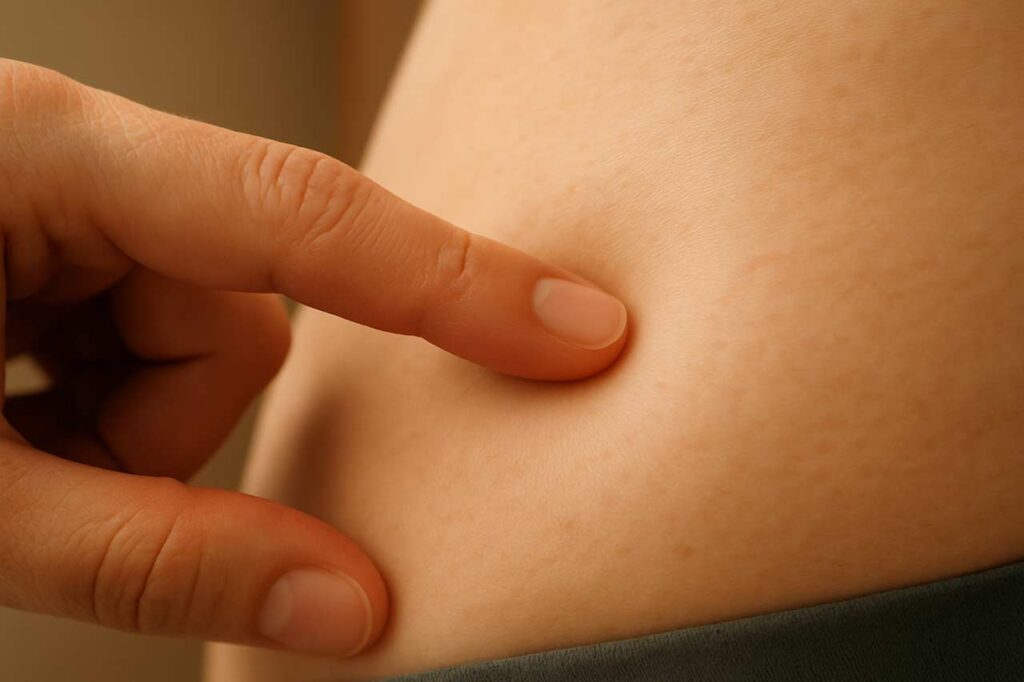
Understanding Small Surface Changes
Some of the earliest indicators of shifting comfort levels may be slight differences in skin tone or warmth. These can appear more clearly when the person is resting in natural daylight, which often helps families see contrast between areas. If you are already familiar with how someone usually looks when resting, you may start to recognise when something seems a little different.
Families often find it useful to read wider information about ageing and wellbeing to gain context. Age UK provides general guidance on recognising changes that come with ageing, which helps relatives understand what small differences might mean in day-to-day life:
https://www.ageuk.org.uk/information-advice/health-wellbeing/
Understanding these early signs and observations simply helps relatives feel more prepared during routine conversations with staff, making it easier to discuss how someone has settled throughout the day.
You may also link from here to your internal page on early changes, for example:
Related reading: noticing early changes in skin appearance
Firmness and Sensitivity
Firmness can sometimes be noticed when smoothing bedding or adjusting a cushion behind the person. A slight firmness in one area or unexpected softness in another may catch a relative’s attention. Again, this is not about interpreting medical meaning but simply noticing and sharing observations.
Sensitivity is another aspect that appears in everyday ways. Someone may react to a slight shift in position, appear more comfortable leaning one way or express discomfort when sitting for extended periods. Families commonly mention these reactions to staff during relaxed conversations, as these small details give a fuller picture of comfort.
The NHS also provides general information about how ageing affects skin texture, which can help relatives understand natural changes over time:
https://www.nhs.uk/conditions/ageing-skin/
This remains a safe, broad wellbeing reference and does not connect to pressure injury guidance.
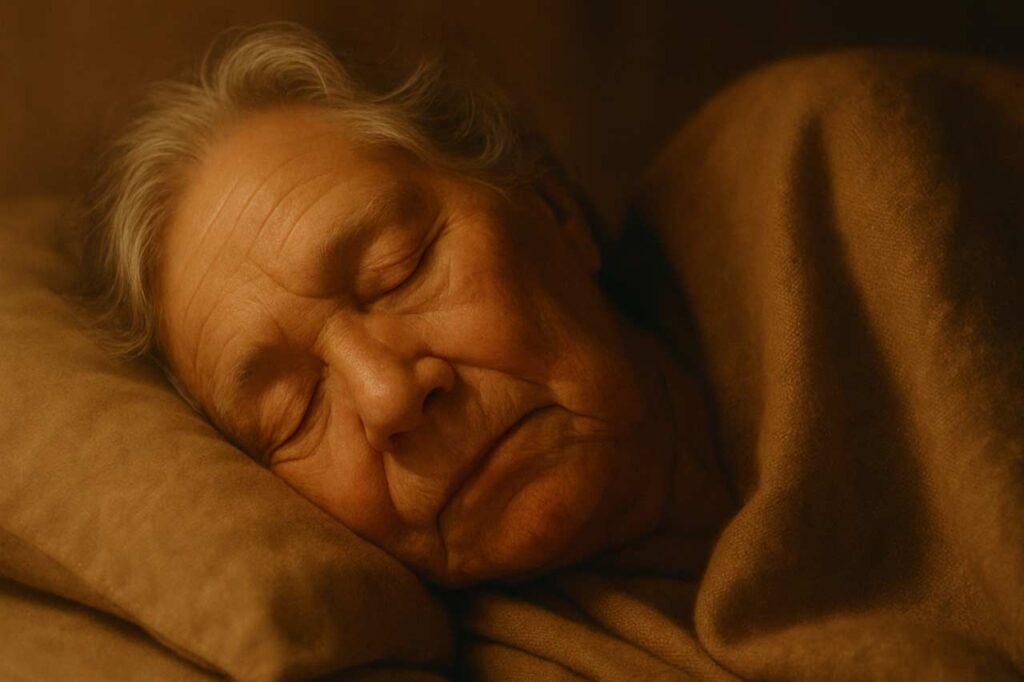
Movement, Shifting Weight and Resting Patterns
Patterns of movement or stillness often shape early signs and observations. A person who frequently shifts their weight, tilts their posture or avoids resting on a particular side may be indicating subtle discomfort. Relatives who visit regularly may start to notice these patterns before anyone else.
If you want to expand awareness further, your internal article on Daily Life and Comfort can be linked here with relevant anchor text:
Learn more about small comfort patterns during daily routines
Families who gently adjust blankets, cushions or seating may gain useful insight about what feels most comfortable. For example, if someone visibly relaxes after being supported with an extra cushion, this may indicate that earlier positioning was less comfortable.
External Factors Worth Noticing
Clothing, bedding and seating can influence comfort more than people expect. A seam pressing into the skin, a wrinkle in a sheet, a cushion that has lost shape or a chair that slopes slightly can all contribute to subtle changes. These small issues are easily overlooked but can influence early signs and observations over long resting periods.
Relatives often contribute positively by noticing details such as:
-
A cushion that needs adjusting
-
A chair that no longer provides even support
-
Bedding that bunches up easily
-
Clothing that appears too tight in certain areas
Pairing these observations with staff routines helps ensure the person remains settled throughout the day.
Read more about simple steps that reduce everyday pressure
When and How to Share Observations
Sharing early signs and observations with staff usually works best during calm, everyday conversation. These discussions can include:
-
Noticing someone leaning more to one side
-
A patch of skin looking warmer or cooler than usual
-
Someone appearing restless after sitting still for a while
-
Minor discomfort when being repositioned
Staff can then monitor these patterns across the day. Families offer unique insight because they often recognise changes in expression, posture or mood more quickly than others.
Relatives sometimes find it helpful to keep a mental note of observations across several visits to see whether patterns repeat. Consistency helps staff understand whether a change is a one-off or something that occurs regularly.
Conclusion
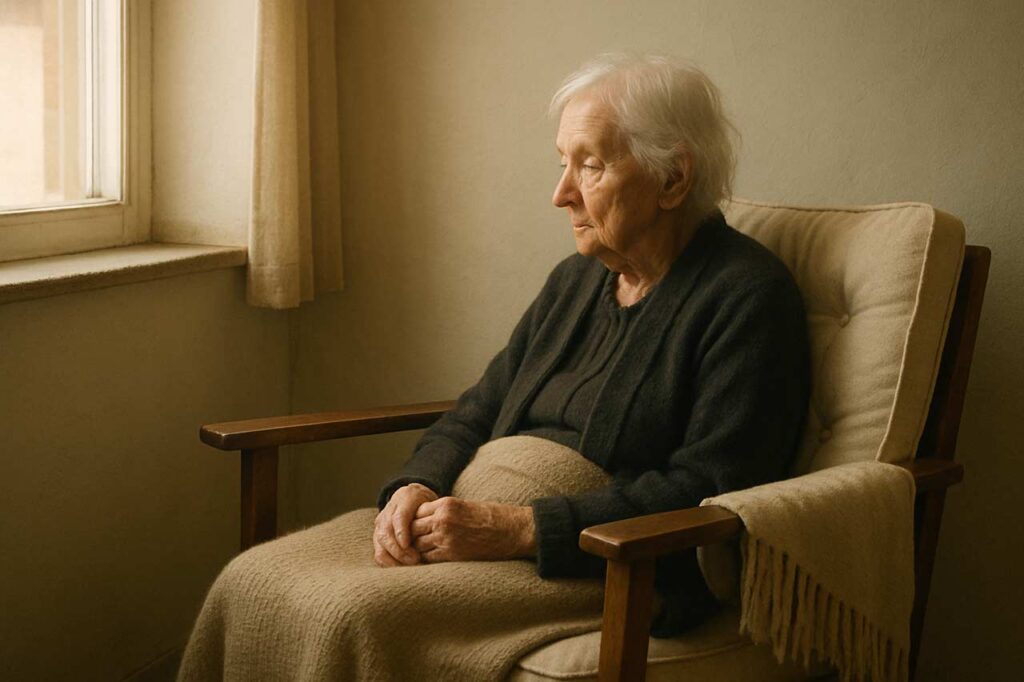
Early signs and observations help families feel more connected to their loved one’s wellbeing by encouraging awareness of small, subtle changes. By noticing differences in colour, warmth, firmness, sensitivity or posture, relatives can support gentle conversations with staff and contribute to a clearer understanding of daily comfort. Early signs and observations strengthen communication and help create a reassuring environment during each visit.