Early skin changes often appear before any clear signs of pressure become noticeable, and families who visit regularly are often the first to see them. These small differences can be easy to miss, especially when someone spends long periods sitting or resting in one position. Understanding these early clues helps families raise concerns in a calm, confident way and support comfort during visits. 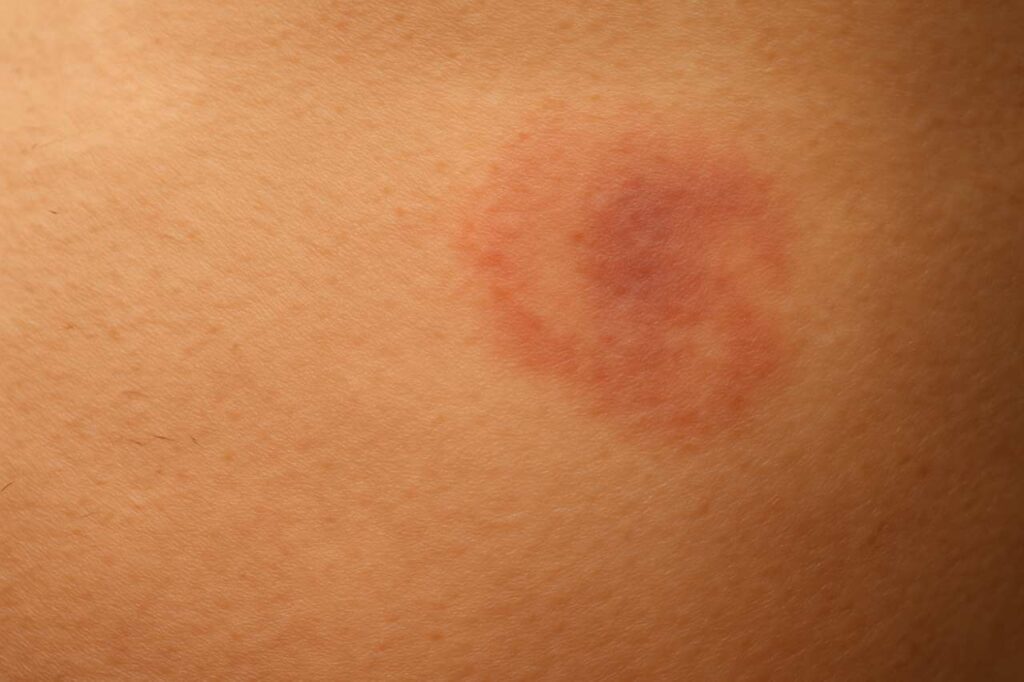
Understanding Early Skin Changes
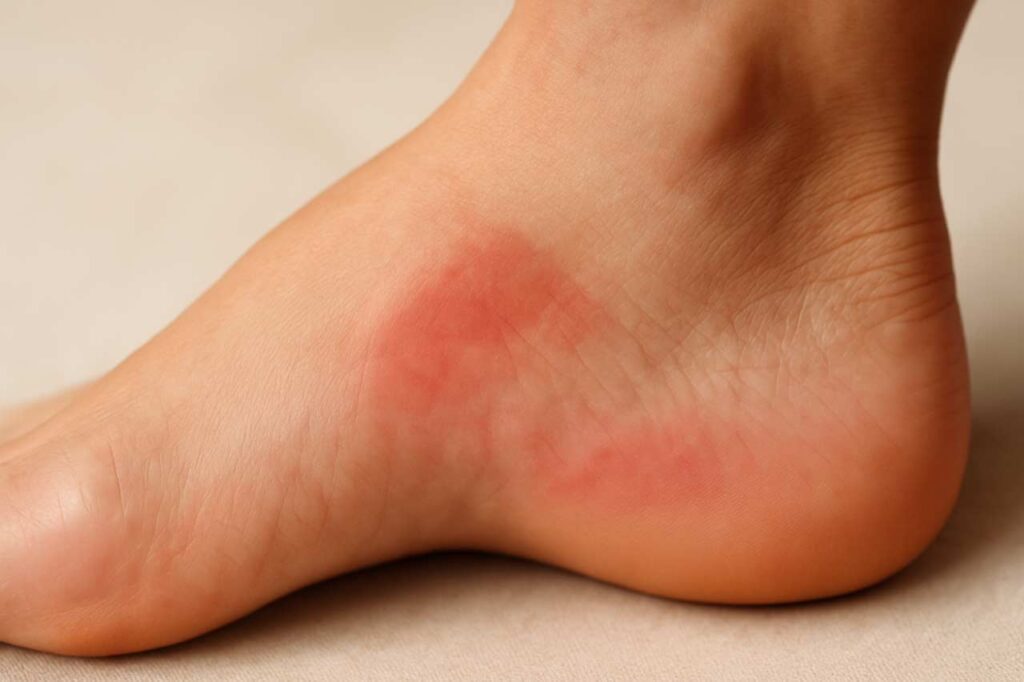
Early skin changes give subtle clues that the area has been under pressure for longer than the body can comfortably manage. At this point the skin may look almost normal, yet feel slightly different in temperature, colour or firmness. These differences often appear on places that carry weight, such as the heels, lower back, hips or elbows. Families who know the person well may notice a small difference in comfort or appearance compared with their last visit.
Colour Differences That Stand Out Naturally
One of the first indicators is a slight patch of colour that looks different from the surrounding skin. It might appear a little darker, pinker or mottled. Sometimes this settles quickly when the person shifts position, but at other times the patch remains. A patch that keeps its colour after a short break from pressure is worth mentioning, even if it seems minor. You do not need to interpret what it means — simply sharing the observation helps carers decide what to do next.
Further guidance on spotting small visual changes is available in Early Observations
Temperature and Comfort Differences
Another early clue is warmth. An area that feels noticeably warmer than usual can suggest that the skin has been resting against a surface for too long. A gentle comparison using the back of the hand is often enough to sense this. If the warmth stays even after the person moves, it can be a sign worth passing on to the care team.
Comfort differences matter too. A person may say a spot “feels sore”, “aches a little”, or simply feels “different”. These comments are helpful and may guide you to look more closely at a certain area.
If you would like to learn more about how pressure affects the skin over time, see How a Pressure Sore Develops
Noticing Firmness or Tender Spots
Early skin changes may also cause the area to feel slightly firmer, raised or swollen. Sometimes it may feel unusually soft instead. These differences are often subtle and may not cause immediate discomfort. A light, gentle touch is enough to sense whether the area feels different from the surrounding skin. If you notice firmness or tenderness that was not present before, it is helpful to mention it to a carer.
“For a general overview of how pressure affects the skin, the NHS provides clear guidance that families may find helpful.
A Simple Way for Families to Check Safely
Families do not need to carry out detailed checks. A natural, gentle approach works well. During normal conversation, while smoothing bedding or helping with clothing, you can look at areas that rest against cushions or mattresses. A small difference from last week (warmth, firmness, a colour patch or a tender spot) can give useful information to the care team. You are not expected to decide whether it is serious; simply sharing what you noticed is enough.
When to Ask Staff for a Second Look
It is reasonable to ask a carer to review an area when:
-
the change stays for more than a short time
-
warmth or tenderness increases
-
the person finds it uncomfortable to rest on that spot
-
the area is one that often carries weight
Asking for a review helps ensure the area is noted, recorded and checked again later.
Closing Summary
Early skin changes are small but meaningful clues that pressure may be building on certain areas of the body. Families who recognise these early changes and share them with carers help support timely repositioning and comfort throughout the day. Noticing early skin changes makes it easier for everyone to respond gently and prevent further discomfort.
For wider guidance on supporting someone at home, the NHS carer advice pages offer practical support.
I hope Early Skin Changes Families Can Look For has been helpful to you, and I hope to see you again soon.