Early observations play a major role in supporting skin health. Small changes in colour, temperature, or sensitivity often appear before a pressure sore develops. This page helps families and carers recognise these early signs so they can respond with gentle adjustments.
Early changes are sometimes subtle and may be easy to overlook. Noticing these signs during daily checks helps protect areas that are under constant pressure and supports overall comfort.
Recognising the First Signs of Pressure-Related Skin Changes
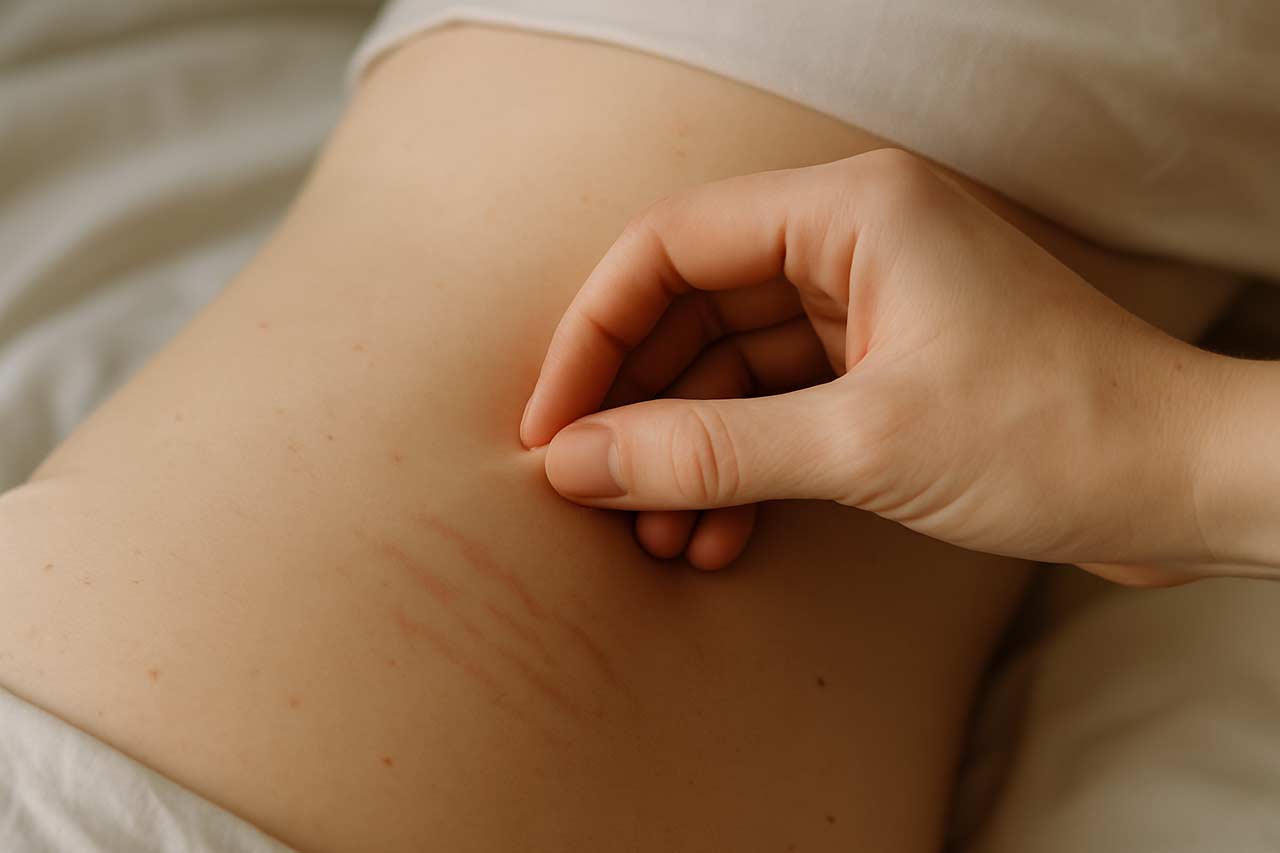
Pressure sores rarely begin as open wounds. The earliest signs usually take the form of slight changes that can appear on the surface of the skin. These signs show that the skin has been under pressure for longer than it can manage, and they are a helpful indicator that the area needs relief.
Colour changes are among the most common early signs. The skin may appear red in lighter skin tones or darker than normal in deeper skin tones. Temperature changes can also signal pressure. The area may feel warmer or cooler than neighbouring skin, depending on how the tissue has been affected.
Changes in firmness may also indicate early pressure damage. Areas of skin that feel unusually soft or firm can show that the tissue beneath is reacting to ongoing pressure. Sensitivity is another important sign. If the person reports tenderness or discomfort when the skin is touched, it may suggest that the area needs attention.
Daily checks help families identify these changes at an early point. They can be included as part of morning or evening routines and can be carried out gently and quickly. Recording these observations may also help care providers understand how the skin is responding and whether additional support is needed.
Please Share:
Whats Included
This guide outlines the early signs that suggest the skin may be under strain. It explains how changes in colour, temperature, firmness, and sensitivity can appear and why they matter. It also highlights how simple observations can support daily comfort.
What To Expect When Checking for Early Signs
Daily checks help detect small changes that appear before a pressure sore develops. These checks are simple to carry out and help carers and families understand which areas need extra support during resting or sitting.
Common Early Signs
-
Redness or darker patches
-
Warmer or cooler areas
-
Sensitivity or tenderness
-
Changes in firmness
Areas Where Signs Often Appear First
-
Heels
-
Lower back
-
Hips
-
Elbows
Useful Daily Habits
-
Checking at the same time each day
-
Using gentle, light touch
-
Looking for small changes over time
-
Noting anything unusual
By adopting these early observations into everyday care, families and carers can support comfort and raise concerns about pressure sores sooner.
Please Share:
F.A.Q.s
These common questions explain how early changes appear and why they help indicate when extra care may be needed.
Why do early signs matter?
Early signs show that the skin has been under pressure for too long. Acting early helps protect the area and may prevent the skin from becoming more uncomfortable.
What should I look for during a daily check?
Look for changes in colour, temperature, firmness, or sensitivity. These features often appear before any visible skin breakdown.
How much pressure causes early changes?
There is no single level of pressure, as it varies based on position, mobility, and personal health. Even moderate pressure over time can create early skin changes.
Can early signs improve on their own?
If the area receives relief from pressure, early signs may settle. Regular checks and gentle adjustments help support recovery.
For more guidance, explore our full range of pressure sore information pages.
Contact Us.
If you need guidance or want to learn more about pressure sore risks and early signs, we are here to help. Our team can provide information for families seeking clearer understanding or support.
Email Us for General Imformation:
For Compensation and Legal Advice Call:
0800 214216
Legal Office:
The Alder Suite, Monmouth House, Mamhilad Park Estate, Mamhilad. Pontypool. Torfaen. NP4 0HZ