Understanding how a pressure sore develops helps families recognise small changes before they become more serious.
A pressure sore develops when an area of skin is placed under continuous pressure. This affects the flow of blood to the skin and underlying tissue. When the skin does not receive enough oxygen and nutrients, early changes can begin that may lead to further breakdown if not relieved.
Understanding how pressure affects the skin helps families and carers recognise early signs and take simple steps to protect areas that are most at risk. The information below explains what happens inside the skin and which areas need the most attention.
Learn More About How a Pessure Sore Develops
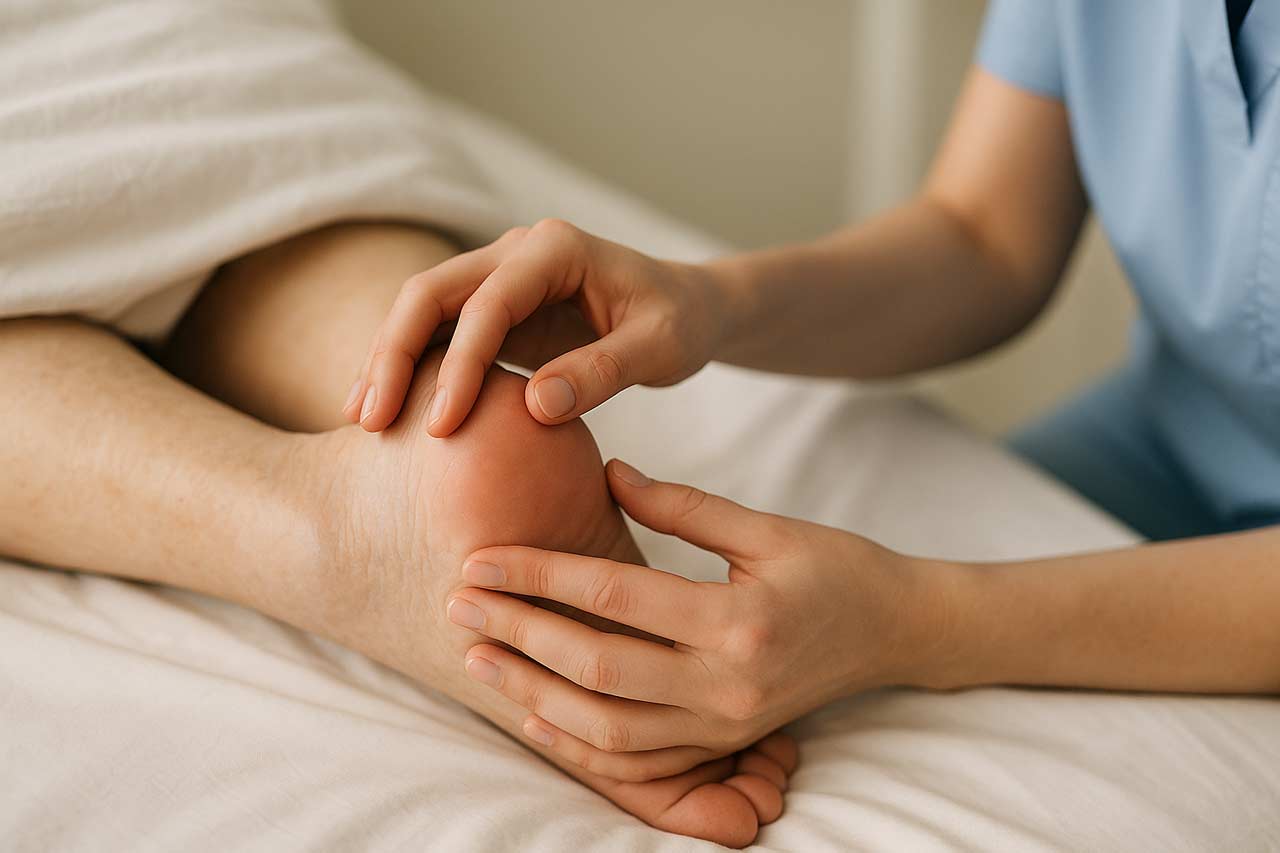
A pressure sore develops when the skin and tissue beneath are compressed between a surface and a bone for a long period. This restricts the flow of blood. When blood flow slows, the skin cannot receive the normal supply of oxygen, and the tissue begins to weaken.
The earliest changes may not be easy to see. They can include slight changes in temperature, firmness, or colour. These small signs indicate that the skin has been under pressure for longer than it can manage. If the pressure continues, the skin may become more sensitive, leading to further breakdown.
People who remain in the same position for long periods are more likely to develop these issues. This includes individuals who spend time resting in bed, seated in a chair, or recovering from illness or surgery. The parts of the body most affected are those with less natural padding, which allows pressure to build more quickly.
Daily checks help families and carers understand which areas are seeing the most pressure. Recognising early signs and making gentle adjustments can support comfort and reduce the risk of the skin progressing to more serious stages.
Please Share:
Whats Included
This guide explains how pressure affects the skin, the early changes that may appear, and why some areas of the body are more vulnerable. It outlines the factors that increase the likelihood of pressure sores and the signs to look for during daily checks.
What To Expect When Learning About Pressure Sores
Understanding how a pressure sore develops helps families and carers notice signs early and respond with simple changes. It also explains why position, movement, and regular observation play a major part in protecting the skin.
Key Factors That Increase Risk
-
Reduced movement
-
Long periods in one position
-
Limited sensation
-
Illness that affects circulation
Where Pressure Builds Most Often
-
Heels
-
Base of the spine
-
Hips
-
Elbows
Early Changes To Look For
-
Redness or darker patches
-
Changes in skin temperature
-
Tenderness when touched
-
Skin that feels firmer or softer
When you know how a pressure sore develops and where it is most likely to appear, it becomes easier to support early observations and daily routines.
Please Share:
F.A.Q.s
These questions help explain how pressure affects the skin and the early signs that may show a pressure sore is developing.
What causes pressure sores to begin?
Pressure sores begin when blood flow to the skin is reduced. This happens when the skin is pressed between a bone and a surface for too long, which leads to early tissue changes.
Who is most likely to develop pressure sores?
People who stay in one position for long periods or have limited sensation are at higher risk. They may not feel discomfort, making regular checks important.
How quickly can early changes appear?
Early changes can appear within a short time if the pressure is constant. Small signs may include changes in colour, temperature, or how the skin feels.
Can gentle adjustments help?
Yes. Even small changes in position can relieve pressure and support the skin. These adjustments help protect areas that may otherwise develop soreness.
For more information, you can view our full collection of pressure sore guides.
Contact Us.
If you need guidance or want to learn more about pressure sore risks and early signs, we are here to help. Our team can provide information for families seeking clearer understanding or support.
Email Us for General Imformation:
For Compensation and Legal Advice Call:
0800 214216
Legal Office:
The Alder Suite, Monmouth House, Mamhilad Park Estate, Mamhilad. Pontypool. Torfaen. NP4 0HZ