These pressure sore prevention basics are designed to give families and carers simple steps they can follow in everyday life.
Simple daily actions can help reduce the chance of pressure sores developing. These basics form part of steady routines that support skin health and comfort. This page outlines the essential steps for preventing pressure-related skin changes.
Prevention starts with understanding where pressure builds and knowing how the body responds. Small actions performed regularly can make a meaningful difference to skin comfort and wellbeing.
Understanding the Prevention Basics for Pressure Sores
Pressure sore prevention focuses on reducing long periods of pressure on the skin. The first step is identifying which areas are most at risk. These often include heels, hips, shoulder blades, elbows, and the lower back. These areas rest against surfaces for the longest time during resting or sitting.
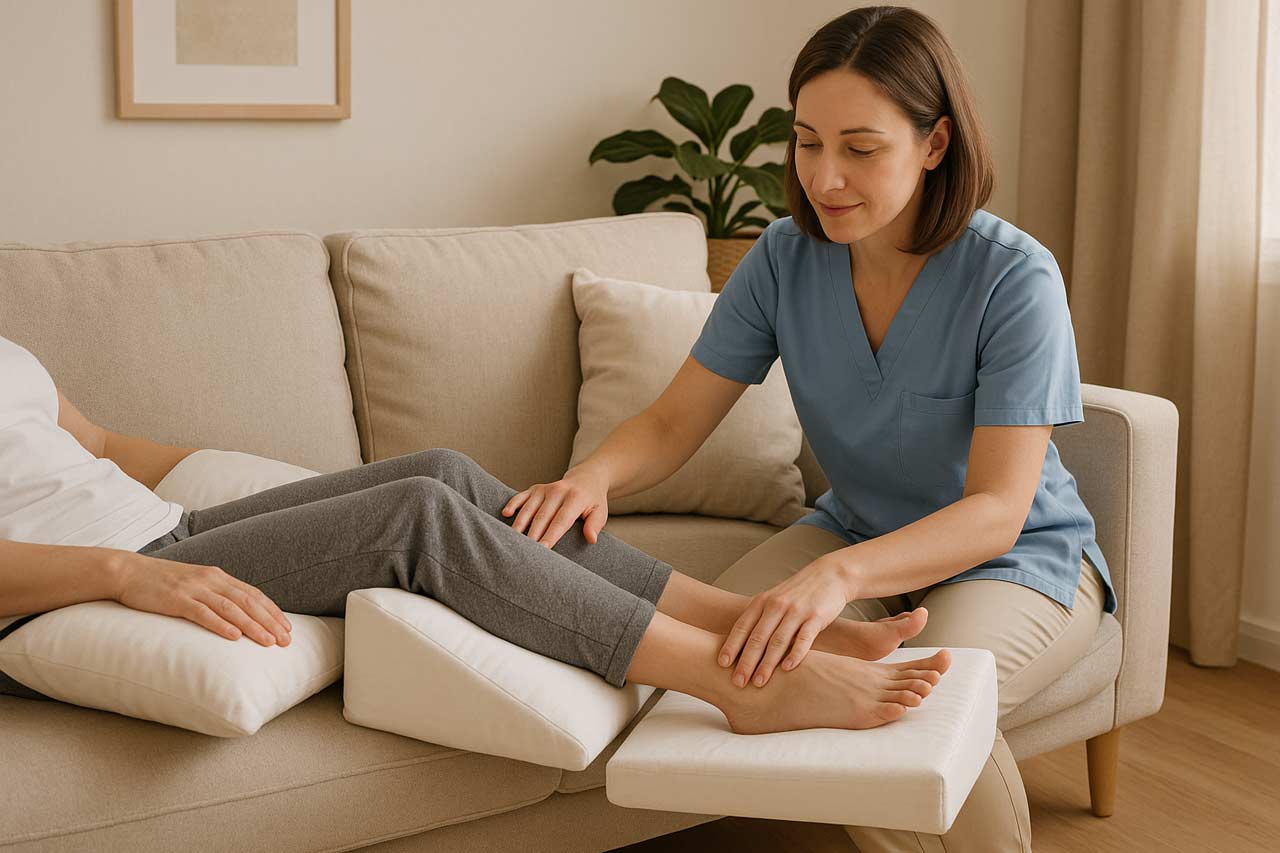
Regular repositioning helps relieve pressure. Even small movements provide the skin with a chance to recover. When repositioning, gentle care is important to avoid friction or dragging, which may place extra strain on the skin.
Supportive cushions or pillows help distribute weight and reduce pressure on key areas. They can be placed under legs, between knees, or behind the back depending on the person’s needs.
Daily checks allow families and carers to spot the earliest changes. Noting small differences in colour, warmth, or firmness helps track how the skin is responding. These checks can become part of everyday routines without taking much time.
Please Share:
Whats Included
This guide covers the essential steps in preventing pressure sores, including repositioning, using supportive cushions, and understanding where pressure builds most often.
What To Expect With Daily Prevention Basics
Prevention routines take only a few moments and fit naturally into daily care. Small, steady actions help protect the skin and reduce strain across the day.
Core Prevention Steps
-
Gentle repositioning
-
Supporting resting areas
-
Watching for early changes
-
Keeping bedding smooth
Useful Equipment
-
Support cushions
-
Pressure-relieving pads
-
Comfortable seating
-
Soft bedding layers
Where Prevention Helps Most
-
Hips
-
Heels
-
Lower back
-
Shoulder blades
When pressure sore prevention basics become part of daily routines, they can support comfort and help protect the skin over time.
Please Share:
F.A.Q.s
These common questions explain how prevention fits into daily routines.
How often should repositioning take place?
It varies based on comfort and mobility, but even small position changes can help relieve pressure.
Do cushions make a difference?
Yes. Cushions help distribute weight and protect areas that carry more pressure.
Are daily checks necessary?
Daily checks help spot small changes early and support prevention efforts.
What helps the most with prevention?
Regular movement, comfortable support, and simple daily checks work together to reduce risk.
For further guidance, view the rest of our pressure sore information pages.
Contact Us.
If you need guidance or want to learn more about pressure sore risks and early signs, we are here to help. Our team can provide information for families seeking clearer understanding or support.
Email Us for General Imformation:
For Compensation and Legal Advice Call:
0800 214216
Legal Office:
The Alder Suite, Monmouth House, Mamhilad Park Estate, Mamhilad. Pontypool. Torfaen. NP4 0HZ